Mixed retail and entertainment concepts revolutionize traditional real estate by seamlessly integrating shopping, dining, and leisure activities. These hybrid spaces attract diverse consumers, boost local economies, and create vibrant community atmospheres. Real estate professionals play a crucial role in conceptualizing, planning, and executing these developments, transforming urban landscapes into bustling hubs that cater to varied needs and enhance quality of life naturally.
The convergence of retail and entertainment has become a defining trend shaping urban landscapes globally. As consumer preferences evolve, mixed-use concepts offering seamless experiences are gaining traction. However, successfully integrating these diverse elements in real estate development presents significant challenges. Space allocation, audience segmentation, and operational efficiency must be meticulously balanced to create vibrant hubs that cater to modern lifestyles. This article delves into the strategies and best practices for crafting successful mixed retail and entertainment destinations, providing valuable insights for developers, urban planners, and investors navigating this dynamic sector.
Unlocking Potential: Mixed Retail-Entertainment Spaces

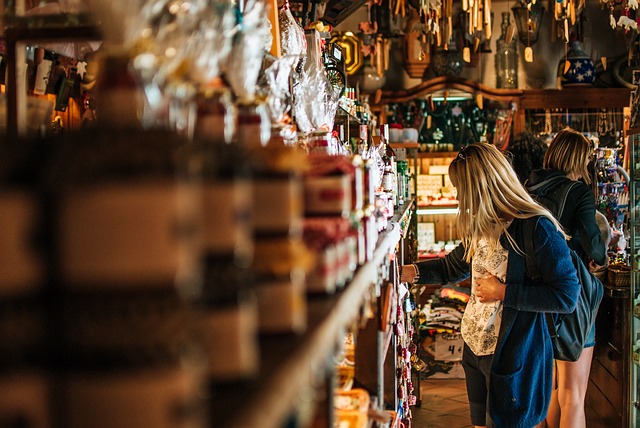
Mixed retail and entertainment concepts have emerged as dynamic spaces that offer a unique blend of shopping, dining, and leisure activities under one roof. These multi-faceted environments are transforming traditional real estate landscapes, appealing to diverse consumer preferences and behaviors. By seamlessly integrating various experiences, developers and property managers are unlocking new potential, creating destinations that cater to modern lifestyles.
The success of mixed retail-entertainment spaces lies in their ability to foster community engagement and offer convenient, one-stop solutions for busy individuals. For instance, vibrant urban centers with a mix of high-end boutiques, restaurants, and cultural venues have become hotspots, attracting locals and tourists alike. According to recent studies, these hybrid spaces contribute significantly to local economies, boosting foot traffic by up to 30% within neighboring areas. This concept is particularly prevalent in cities like New York, London, and Singapore, where dense urban populations thrive on accessible, multi-purpose environments.
Real estate professionals play a pivotal role in conceptualizing and executing these mixed-use developments. Expertise in site selection, zoning regulations, and tenant mix is essential to creating harmonious spaces that cater to diverse needs. Strategic planning involves carefully curating retail brands, restaurants, and entertainment options to ensure 24/7 activity and year-round appeal. For example, the revitalized waterfront areas in many coastal cities showcase this model, featuring retail arcades, residential complexes, and recreational facilities, fostering a vibrant community atmosphere. By adopting innovative design strategies and embracing technology, real estate stakeholders can enhance customer experiences, encourage longer stays, and maximize investment returns.
Design & Layout: Crafting Engaging Real Estate Experiences

The design and layout of mixed retail and entertainment concepts play a pivotal role in shaping memorable real estate experiences. These spaces, seamlessly blending commerce and leisure, demand thoughtful planning to ensure customer engagement and retention. The success lies in creating an environment that encourages exploration, interaction, and a sense of discovery. For instance, consider the transformation of traditional malls into lifestyle hubs, where retail, dining, and entertainment venues intertwine, fostering a vibrant atmosphere that extends beyond mere shopping.
Experts suggest adopting a human-centric approach, prioritizing pedestrian flow and intuitive navigation. Strategic placement of key attractions, such as flagship stores or experiential brands, acts as a magnetic force, drawing visitors through the space. For example, positioning an interactive art exhibit or a popular restaurant at the heart of the complex can serve as a central focal point, encouraging exploration of surrounding retailers. Data from industry reports indicates that well-designed mixed-use developments experience higher foot traffic and longer visitor durations compared to conventional retail formats.
Incorporating diverse elements like pop-up stores, al fresco dining areas, and multi-functional spaces allows for adaptability and year-round appeal. This flexibility caters to evolving consumer preferences and ensures the real estate asset remains relevant in a dynamic market. For instance, transforming outdoor spaces into seasonal markets or hosting cultural events can create a buzz and attract new audiences. Real estate professionals should embrace innovative design strategies, drawing inspiration from successful global examples, while tailoring concepts to local tastes and climate to ensure optimal engagement and long-term sustainability.
Success Stories: Revitalizing Communities Through Concepts
Mixed retail and entertainment concepts have emerged as powerful catalysts for community revitalization, demonstrating remarkable success in revamping urban landscapes and fostering vibrant, thriving neighborhoods. These multifaceted developments seamlessly blend shopping, dining, and leisure activities, creating dynamic spaces that attract residents and visitors alike. A prime example is the transformation of downtown areas into bustling hubs where people gather not just to transact business but also to socialize, relax, and indulge in cultural experiences.
One such success story unfolds in the heart of many cities where aging malls have been reimagined as mixed-use destinations. These revitalized spaces often feature a blend of local and national retailers, offering a diverse range of products and services. Additionally, they incorporate entertainment venues like cinemas, indoor amusement parks, and live performance spaces, creating 24/7 attractions that keep the community buzzing. The integration of real estate naturally plays a pivotal role in these transformations. Strategic partnerships between developers, property owners, and local governments have facilitated the adaptive reuse of underutilized properties, unlocking their potential to serve as community hubs.
Beyond economic benefits, these mixed concepts contribute significantly to social well-being. They foster a sense of community by hosting local events, farmers’ markets, and cultural festivals, bringing people together and strengthening neighborhood bonds. Moreover, they encourage active lifestyles through pedestrian-friendly designs and outdoor amenities, promoting health and wellness within the community. As cities continue to evolve, embracing mixed retail and entertainment concepts holds the key to creating sustainable, dynamic urban environments that cater to diverse needs and enrich the quality of life for all residents.