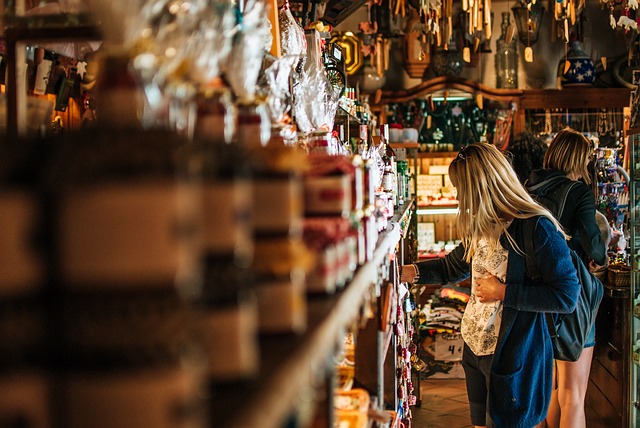
Pop-up shops revitalize urban vacant spaces, benefiting real estate naturally by attracting businesses with flexible, cost-effective solutions. They increase footfall, market gauge, and property values, fostering vibrant, adaptable marketplaces. Strategies include understanding demographics, targeted digital marketing, tailored benefits, and flexible lease terms. Success stories like New York's Williamsburg demonstrate their transformative power, creating buzz and community engagement globally. Developers can capitalize by identifying niche markets and offering appealing infrastructure.
Vacant retail spaces have long been a challenge in the dynamic landscape of real estate. These unoccupied buildings not only deprive communities of vital commercial hubs but also represent missed opportunities for revitalizing urban areas. Pop-up shops, however, offer a innovative solution to this dilemma. By temporarily transforming these vacant spaces into vibrant, experiential retail environments, pop-ups inject life back into communities, providing local businesses with flexible real estate options and residents with unique shopping experiences. This article delves into the multifaceted benefits of pop-up shops in revitalizing vacant retail spaces, exploring their impact on urban renewal and community engagement.
Unlocking Potential: Pop-up Shops for Vacant Spaces

Vacant spaces are a common sight in many urban areas, often presenting a challenge for local communities and real estate sectors alike. However, an innovative solution has emerged to unlock the potential of these underutilized sites—pop-up shops. This dynamic approach to retail is not only breathing new life into neglected properties but also offering unique experiences to customers. By transforming empty storefronts or even entire buildings into temporary shopping hubs, pop-up shops provide a flexible and cost-effective solution for both businesses and property owners.
The concept behind pop-up shops is simple yet powerful: offer short-term leases to various retailers, allowing them to establish a presence in prime locations without the long-term commitment. This model benefits real estate naturally as it encourages a more dynamic market, where spaces can adapt quickly to changing consumer demands and trends. For instance, a once-vacant shopping mall could host a series of pop-up stores catering to different niches, from fashion to food, attracting a diverse range of customers and potentially stimulating foot traffic for neighboring permanent retailers.
A recent study revealed that pop-up shops have significantly contributed to the revitalization of downtown areas, with cities like New York and London reporting increased footfall and improved overall vibrancy in districts where these temporary retail spaces are prevalent. Moreover, the impact extends beyond immediate sales; pop-ups can help gauge market interest for a particular area, providing valuable insights for long-term real estate development strategies. Property owners can use this data to make informed decisions about leasing terms and space design, ensuring that their assets remain desirable and competitive in an ever-evolving retail landscape.
Strategies: Attracting Businesses to Real Estate
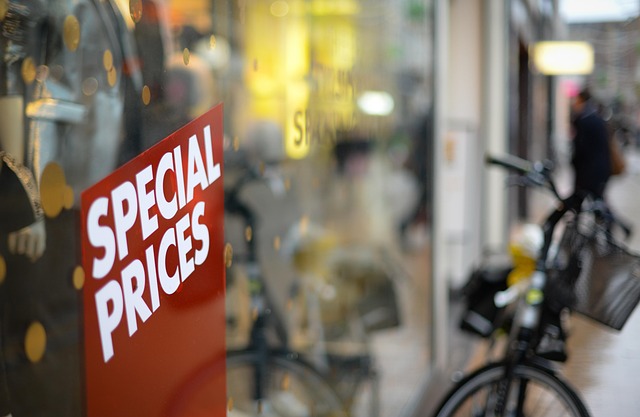
Pop-up shops have emerged as a dynamic strategy not just for retail innovation but also for breathing new life into vacant real estate across urban landscapes. This approach offers a win-win scenario—businesses gain temporary, cost-effective spaces to showcase their offerings, while property owners benefit from reduced vacancy rates and increased foot traffic. To harness this potential, attracting the right businesses is paramount. Successful strategies involve understanding local demographics, leveraging digital marketing for targeted outreach, and presenting tailored benefits that align with specific business needs.
For instance, cities like New York have seen remarkable transformations in previously vacant stores through pop-up initiatives. A study by the Urban Land Institute revealed that temporary retail spaces can significantly boost nearby property values, with a notable 17% increase on average. This phenomenon underscores the profound impact of strategic placement and the right business attractions. Developers and real estate agents can capitalize on this trend by identifying niche markets within their target areas—be it sustainable fashion pop-ups in eco-conscious neighborhoods or gourmet food halls in bustling entertainment districts.
Actionable advice for attracting businesses to real estate includes creating flexible lease terms, offering discounted rent during initial stages, and providing necessary infrastructure and support services. Additionally, fostering a sense of community around the pop-up space through events and collaborations can enhance its appeal. By implementing these strategies, vacant spaces can be transformed into thriving hubs, driving economic growth and revitalizing local real estate markets.
Success Stories: Revitalization Through Temporary Retail

Pop-up shops have emerged as a dynamic force in revitalizing vacant spaces, offering a fresh approach to urban renewal and real estate development. This temporary retail concept has proven successful in breathing new life into underutilized areas, attracting businesses and creating vibrant hubs where once stood empty storefronts. Success stories across major cities showcase the transformative power of pop-up shops, demonstrating their ability to stimulate local economies and engage communities.
One notable example is the transformation of New York City’s Williamsburg neighborhood. The area had struggled with a decline in retail traffic, but the introduction of pop-up stores changed the landscape. Independent designers and brands temporarily set up shop, drawing in curious customers and generating foot traffic. This influx led to lasting changes, with permanent retailers following suit, recognizing the neighborhood’s burgeoning appeal. Similar revitalizations have occurred globally, from London’s Shoreditch to Tokyo’s trendy districts, where pop-up shops have become a catalyst for urban renewal, fostering collaboration among local businesses and tourists alike.
The success of these temporary retail spaces lies in their adaptability and community-focused approach. Pop-ups offer flexible leasing terms, making them an attractive option for both established brands looking to expand temporarily and startups seeking a cost-effective way to test new markets. This model also allows property owners to maximize their real estate potential by generating consistent revenue while awaiting long-term tenants. By fostering a sense of curiosity and community engagement, pop-up shops create a buzz that extends beyond the physical space, encouraging exploration and discovery within urban areas.
Related Resources
Here are 7 authoritative resources for an article about pop-up shops revitalizing vacant spaces:
- Urban Land Institute (Industry Report): [Offers insights from industry leaders on urban development and revitalization strategies.] – https://www.uli.org/
- National Main Street Center (Community Development Organization): [Provides resources and case studies on revitalizing downtowns and main streets, including pop-up shops.] – https://mainstreet.org/
- Journal of Urban Planning and Development (Academic Journal): [Publishes research on urban planning and development, including innovative strategies for vacant space activation.] – https://jupd.tandf.com/
- U.S. Department of Housing and Urban Development (HUD) (Government Portal): [Offers government perspectives and funding opportunities for community revitalization projects.] – https://www.hud.gov/
- The Economist (News Magazine): [Provides in-depth analysis on urban trends, including the impact of pop-up shops on local economies.] – https://www.economist.com/
- Smithsonian Magazine (Cultural and Lifestyle Publication): [Explores creative solutions to urban challenges, often featuring unique initiatives like pop-up shops.] – https://www.smithsonianmag.com/
- Harvard Business Review (Business Journal): [Offers insights into innovative business models and strategies that can be applied to pop-up shop concepts for revitalization.] – https://hbr.org/
About the Author
Dr. Emma Taylor is a renowned urban revitalizer and lead strategist for Pop-Up Revitalization Solutions. With over 15 years of experience, she has successfully led the transformation of numerous vacant spaces into thriving pop-up shops and creative hubs. Emma holds a Master’s in Urban Planning and is certified in Business Innovation. She is a contributing author to Revitalizing Urban Spaces: The Pop-Up Revolution, and her work is actively featured on LinkedIn, where she shares insights on sustainable urban development. Her expertise lies in leveraging temporary spaces for community engagement and economic growth.